
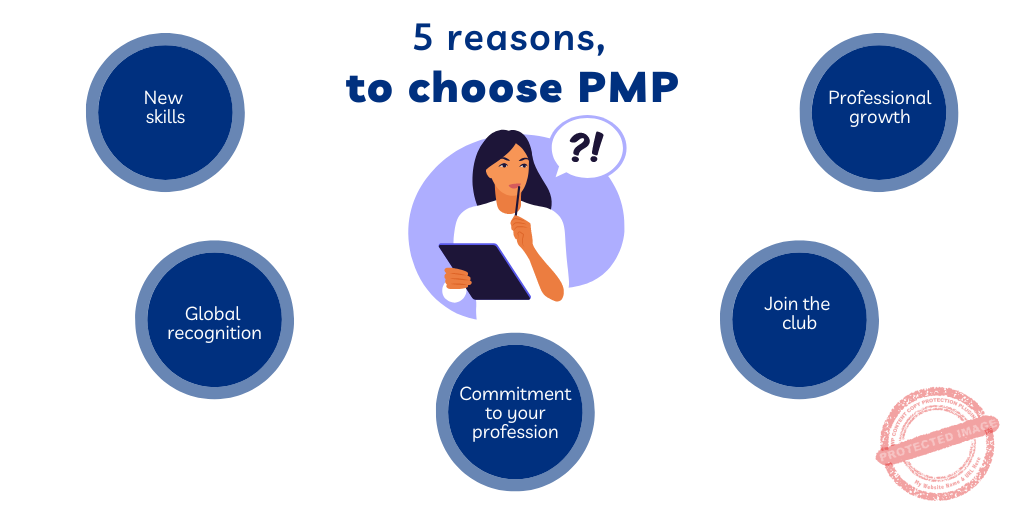
PMP What Is It Really About
Introduction: “I’m Already Doing Projects… So Why PMP?”
If you’re reading this, chances are you’re already juggling multiple things at work.
Deadlines.
Stakeholders with different expectations.
Last-minute changes.
Teams that don’t always agree.
Pressure to “just make it work.”
You may not have “Project Manager” in your job title.
But you’re still managing projects.
A product launch.
A process improvement initiative.
A system migration.
A customer onboarding rollout.
A transformation program.
And somewhere along the way, a thought probably crossed your mind:
“Am I managing projects the right way… or just surviving them?”
This is where PMP (Project Management Professional) quietly enters the picture.
Not as another certificate to decorate your resume.
But as a way to make your work life less chaotic and more predictable.
PMP in Simple Terms: What Is It Really About?
Let’s keep it real.
PMP is not about memorising fancy terms.
It’s about learning how to:
- Plan without overplanning
- Lead without micromanaging
- Communicate without confusion
- Handle pressure without panic
- Deliver results without burning out
PMP gives you a clear way of thinking when everything around you feels messy.
It teaches you:
- How to ask the right questions
- How to make better trade-offs
- How to deal with stakeholders who change their minds
- How to manage risks before they become disasters
- How to choose between agile, hybrid, or traditional approaches based on reality — not theory
In short, PMP helps you stop “managing chaos” and start leading with clarity.
“Do I Even Qualify for PMP?” (Most People Underestimate Themselves)
A common reaction is:
“PMP is for Project Managers. I’m not one.”
Here’s the truth:
If you have ever led an initiative, coordinated people, managed expectations, or owned delivery — you already have project experience.
You don’t need a fancy title.
You need real-world exposure to getting things done with people.
PMP is relevant for:
- IT professionals
- Operations managers
- Business analysts
- Process improvement leads
- Consultants
- Product managers
- Startup founders
- Team leads
- Anyone who owns outcomes
If your work involves responsibility, deadlines, and people — PMP is for you.
What Actually Changes After PMP? (Beyond the Certificate)
People often ask:
“Okay, but what really changes after PMP?”
Here’s what most professionals notice in real life:
1️⃣ You Stop Reacting and Start Anticipating
Before PMP:
You respond when things go wrong.
After PMP:
You start seeing problems before they explode.
You:
- Identify risks earlier
- Plan buffers intelligently
- Set clearer expectations
- Handle change requests with confidence
Work feels less like firefighting and more like intentional execution.
2️⃣ You Communicate Better (And Get Fewer Surprises)
One of the biggest career pain points is poor communication:
- Stakeholders assume things you never agreed to
- Teams misunderstand priorities
- Leadership expects magic
PMP trains you to:
- Clarify expectations upfront
- Communicate progress in business language
- Handle difficult conversations professionally
- Align everyone on “what success looks like”
Suddenly, fewer surprises.
Fewer awkward escalations.
More trust.
3️⃣ You Become the “Go-To” Person for Important Work
After PMP, people start seeing you differently.
Not because of the certificate.
But because your thinking changes.
You:
- Ask sharper questions
- Structure work better
- Bring clarity in confusion
- Stay calm when pressure rises
Over time, leaders start trusting you with higher-impact projects.
That’s how careers quietly move forward.
4️⃣ Your Career Options Expand (Even Across Industries)
One underrated benefit of PMP:
It gives you career mobility.
Project leadership is transferable.
You can move:
- From IT to operations
- From services to consulting
- From corporate to startup
- From functional role to leadership role
PMP doesn’t lock you into one domain.
It unlocks multiple doors.
5️⃣ Yes, Salary and Market Value Go Up (But That’s a Side Effect)
Let’s be honest — career growth and compensation matter.
PMP-certified professionals typically:
- Command better pay
- Have stronger negotiation power
- Get considered for leadership roles faster
But the real value is not the salary hike.
It’s becoming someone who can consistently deliver results.
And the market always rewards that.
PMP Is Not “Waterfall Only” (It’s Much More Practical Than People Think)
A big myth is:
“PMP is old-school and rigid.”
Modern PMP:
- Covers Agile
- Covers Hybrid models
- Focuses on real-world decision-making
- Teaches how to adapt your approach based on context
It’s not about forcing one method everywhere.
It’s about choosing the right approach for the situation you’re in.
That’s what real professionals do.
PMP in Real Life: How It Changes Your Day-to-Day Work
After PMP, people often say:
- “I handle stakeholders better.”
- “I’m more confident in planning.”
- “I push back professionally now.”
- “I don’t panic when things change.”
- “I feel more in control of my work.”
The biggest shift is internal:
You stop feeling like things are happening to you.
You start feeling like you’re leading what happens next.
Common Fears (And Why They’re Overblown)
“I don’t have time to study.”
You don’t need unlimited time. You need the right structure.
“The exam is too hard.”
It’s challenging, yes. But with the right guidance, it’s very doable.
“I’m not good at memorising.”
Good. PMP is not about memorising. It’s about thinking in scenarios.
“I’ll forget everything after the exam.”
Not if you learn it through real-world application.
Why ICEQBS Feels Different for PMP Aspirants
ICEQBS doesn’t teach PMP like a textbook.
Their approach is:
- Practical
- Scenario-based
- Business-focused
- Practitioner-led
- Application-driven
You’re not just preparing to clear an exam.
You’re learning how to think like a project leader.
That’s why many learners say:
“I started using PMP concepts at work even before my exam.”
That’s real value.
PMP Is Not About Becoming a Project Manager
It’s About Becoming a Better Professional
PMP doesn’t change your job title overnight.
It changes:
- How you think
- How you plan
- How you lead
- How you handle pressure
- How you deliver
And those changes compound over time.
That’s how careers grow quietly but powerfully.
Final Thought: PMP Is a Skill for Life, Not Just an Exam to Clear
Careers today are unpredictable.
Roles change.
Industries shift.
Technology evolves.
Expectations increase.
One skill that stays relevant?
The ability to lead work to successful outcomes.
That’s what PMP builds.
Not theory.
Not jargon.
But professional maturity in handling complexity.
Ready to Take the Next Step?
If you’re tired of managing chaos
and ready to lead with clarity:
👉 Explore PMP training with ICEQBS
👉 Learn through real-world scenarios
👉 Build confidence, not just credentials
👉Follow us On Facebook
ICEQBS – Helping Professionals Become Project Leaders, Not Just Certificate Holders

