

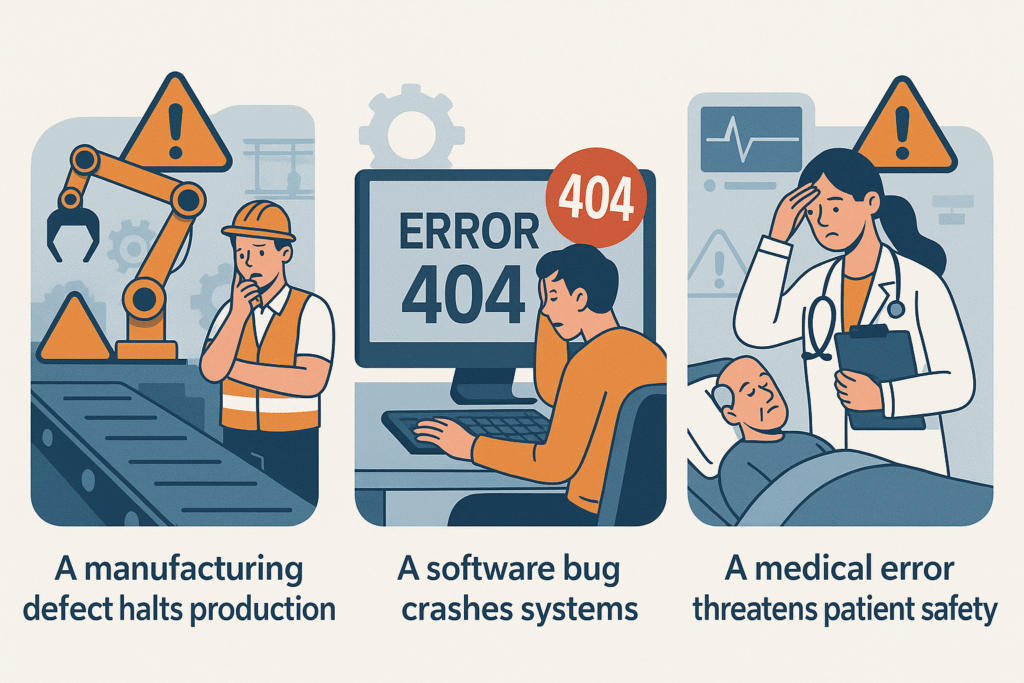
These failures don’t just cause financial losses; they damage trust, brand reputation, and customer loyalty. In many industries, such as healthcare and aviation, they can even cost lives.
The real challenge is this: most failures don’t occur because of lack of intelligence or effort. They happen because risks were not identified and addressed early enough.
This is exactly where Failure Modes and Effects Analysis (FMEA) become indispensable. It is one of the most practical, systematic, and forward-looking quality tools within Lean Six Sigma.
What is FMEA?
FMEA stands for Failure Modes and Effects Analysis. It is a structured method to identify potential failure points in a product, process, or system, evaluate their effects, prioritize them, and take corrective action before they occur.
Breaking it down:

In simple terms: FMEA is a roadmap for prevention.
While Lean helps eliminate waste and Six Sigma reduces variation, FMEA focuses specifically on predicting and mitigating risk before it happens.
A Relatable Example: Road Trip FMEA
Think about preparing for a family road trip:

Each of these is a failure mode. The effects could be delays, frustration, or even accidents.
Now, imagine ranking them:
- A flat tire is serious but easily detected and fixable.
- Running out of fuel is likely if ignored.
- GPS failure could leave you lost if you don’t know the route.
By planning for these risks in advance (car checkup, spare tire, fuel tank full, maps saved offline), you reduce the chances of disaster.
That’s FMEA in everyday life. Businesses just scale it up with numbers, teams, and structured methods.
Why FMEA is a Competitive Advantage
FMEA gives organizations a competitive edge because it transforms their mindset from reactive problem-solving to proactive prevention.
Key benefits include:

At ICEQBS, we’ve seen companies save millions in hidden costs simply by embedding FMEA early in their Six Sigma journey.
The FMEA Process: A Practical Walkthrough
Conducting FMEA is not complicated if done systematically. The typical steps are:
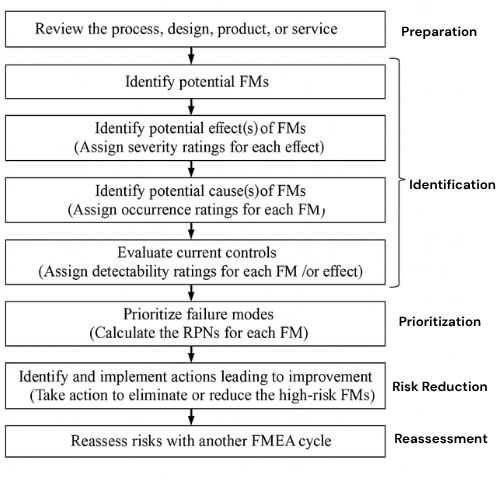
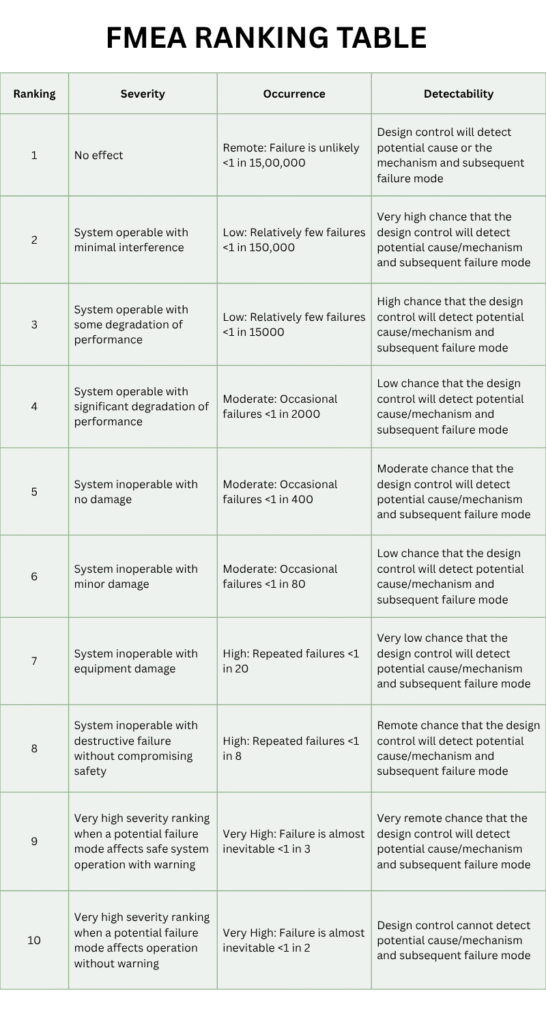
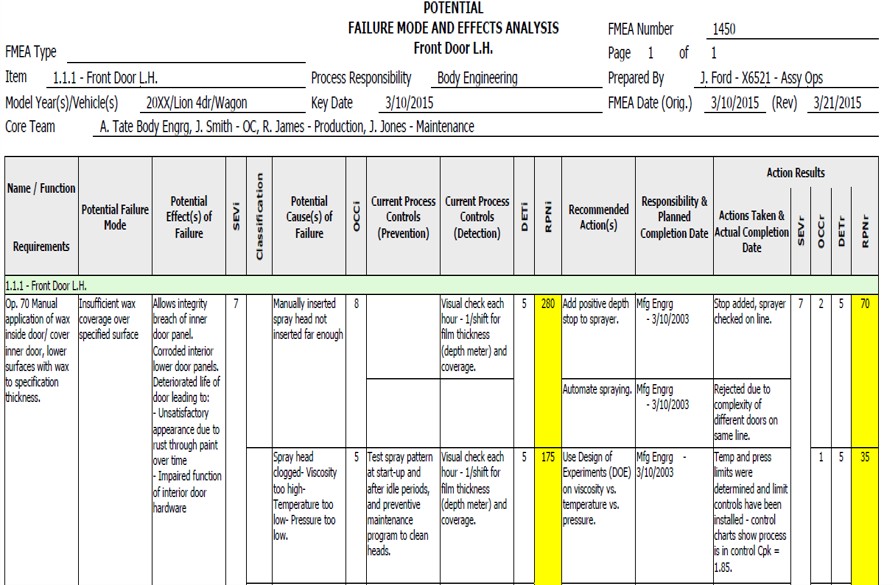
This template shows how FMEA goes beyond theory and becomes a hands-on working document for teams. While the template provides a structured framework, the real value comes from the collaborative discussions that happen when cross-functional teams work together to complete it. Every filled row represents a risk identified, understood, and controlled—bringing your organization one step closer to error-proof operations.
Final Thoughts: Building a Culture of Prevention
In today’s fast-changing business world, failure is costly, and trust is fragile. FMEA is not just a technical tool—it is a cultural shift toward prevention, responsibility, and resilience.
When done right, FMEA helps organizations deliver consistent quality, reduce risks, protect people, and strengthen their brand.
At ICEQBS, we believe adopting FMEA is not about avoiding failure—it’s about building confidence, safeguarding trust, and creating a future-ready organization.
So ask yourself:
Are you waiting for failures to happen, or are you ready to prevent them with FMEA?
Explore ICEQBS’s Lean Six Sigma training programs or consulting services today. Let’s work together to turn potential failures into lasting success through FMEA and other world-class quality tools.
For More Information
 Follow us on Facebook

